LAND ACKNOWDGEMENT
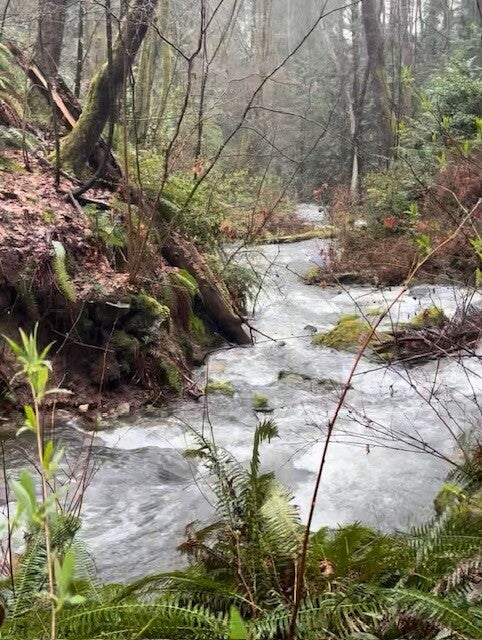
I would like to begin by acknowledging that I live on the traditional, ancestral, and unceded territories of the Coast Salish Peoples, including the q̓íc̓əy̓ (Katzie), q̓ʷa̓ƛ̓ən̓ (Kwantlen), and SEMYOME (Semiahmoo) First Nations, who have cared for and maintained relationships with this Land since time immemorial.
I live in Cedar Hills, and this neighborhood has become an important part of my life. Every day, when I walk through my community, see the trees changing with the seasons, feel the rain, or watch children playing outside, I am reminded of how much the Land gives us. But I am also learning that this Land holds stories, histories, and relationships that existed long before the streets, houses, and schools we see today.
Coming from Punjab, India, I have always felt a connection to the Land because it reminds me of my roots, my family, and the place where I grew up. Living in Canada has given me a new home, but my learning journey has helped me understand that calling a place home also comes with responsibilities. I recognize that I benefit from living on Land that was never ceded by its original Peoples.
As a mother and a future educator, I want to move beyond simply speaking the names of Indigenous Nations. I want to listen to Indigenous voices, learn the truths of colonization and residential schools, challenge my own assumptions, and create a classroom where Indigenous histories, cultures, and ways of knowing are respected and valued.
For me, reconciliation is not something I can complete with one acknowledgement. It is an ongoing journey of learning, unlearning, building relationships, and taking meaningful action.
I hope to teach children not only to appreciate the beauty of the Land, but also to respect its history, recognize its original caretakers, and understand their own responsibilities toward it.
I am grateful to live, learn, and raise my family on this Land, and I commit to continuing this journey with humility, respect, and an open heart.